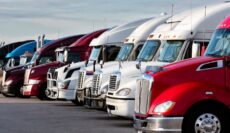
It can be difficult to decide between LTL or less than truckload shipping and FTL or full truckload shipping when you are not aware of the differences between the two. There are different factors to be analyzed during freight shipping and all the elements are to be assessed to help with the selection of an appropriate method.
You will have to look into factors such as the dimensions of the freight, its classification (such as food shipping), time within which the shipment should reach the destination, the budget you have for sending the shipment, and similar other details to make the right choice. If not done carefully, the selection chosen may cause losses due to a delay in delivery, spoilage of your food items, or damage to fragile and high-value items.
As such, in the following sections we will analyze the differences between FTL and LTL shipping so that you can select the right food shipping companies and book your freight shipment with confidence.
Differences Between FTL and LTL Trucking
LTL Trucking
If your aim is to ship a smaller freight, LTL trucking is the right option. Let us look at a few of the main benefits of LTL shipments.
- Less Expensive: In comparison to FTL trucking, less than truckload shipments help you achieve significant savings. Since your shipment will be covering a small part of the shipment, it will be necessary for you to make payments for that part and not the entire Pricing normally varies but in general, shippers tend to split the expenditure between them.
- More Flexible Option: LTL trucking offered by food transportation companies prove to be a more flexible option for shippers. For example, if there are small shipments which need to be sent to separate locations, this type of shipment is considered the right option. In LTL trucking it is also possible to consolidate smaller consignments to form a single load.
- Quicker Delivery: If we check the total delivery time taken for FTL trucking, it is comparatively higher than LTL trucking. This is due to the fact that there are less logistical issues to be solved when there are shorter shipments to be dispatched. In addition, there are fewer stops and during transit, weigh-in time is also less. Due to these reasons, freights can reach their destination is less time.
- Multiple Options: You get the opportunity to choose from multiple options which are not available when you select other shipment techniques. For example, in LTL trucking there are different services to choose from such as inside pickup, lift gate, etc.
FTL Trucking
This is a kind of shipment method where one shipper utilizes all the available space. There are several positives of using FTL trucking for your shipment. Let us explore these benefits in this section.
- Ideal Option for Large Shipments: You get the chance to exclusively use all the space available on the carrier. This type of shipment proves to be the right option for food shipping, and for shipping delicate and fragile items. This is primarily due to the fact that the load will not be shifted during the shipment and your freight remains where it was originally placed.
- Effective Shipment: Another good thing about FTL trucking is that during the shipment, your freight will remain in one truck, so switching or repacking will not be necessary while the freight is being shipped. Moreover, the shipment will travel from one point to another without the change of hands or any type of housing. Last but not the least, the delivery process gets expedited since there will be no stops in between at different carrier terminals.
In which situations should you prefer FTL trucking?
There are different situations where FTL trucking proves to be a better option compared to LTL and other trucking methods. Let us go through the details here.
- Full Truck Load Requirement: If your food shipping requirement is big enough for a full truck load shipment, then it will be the right option to select. Food shipping companies offering FTL trucking option usually measure full truck loads by means of space occupied or weight of the shipment. FTL trucking is also the right option for you when you have 10 or more pallets to ship to a certain location.
- High Risk or Fragile Items: FTL trucking will be the right choice in the case of high risk or fragile items being shipped. In this situation you need to select FTL trucking even when you do not have sufficient shipments to meet the FTL trucking requirement since you do not have to worry about frequent loading and unloading of the freight at different carrier terminals. FTL shipment will also be the ideal option when you want to expedite the shipment process, as happens when food items are being shipped quickly to avoid spoilage.
As we can see, there are benefits of both LTL and FTL trucking methods. The option you select will largely depend upon the requirements you need. If you are looking for shipments of time sensitive items such as perishable food items then FTL trucking would prove to be the right option. On the other hand, if you are looking to reduce freight expenditure on your smaller consignments, less than truck load shipments would be a suitable option.
If you are unsure of which option to select then you can get in touch with us and our experts will try to understand your requirements and make suggestions. All you have to do is give us a call or email us and our customer support team will immediately get back to you with the answers to all your queries, so that you can select the best trucking option.